


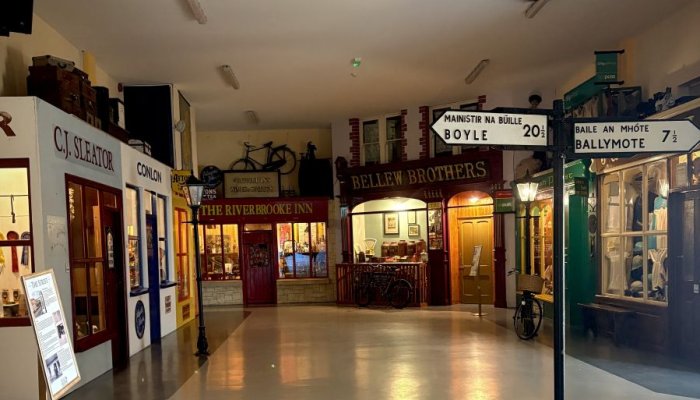
Interested in discovering what life in Ireland looked like in the 19th & 20th century? You don’t need a time machine to travel back in time. All You need is to visit Sligo Folk Park.
Located in Riverstown, just 20-minute drive from Sligo Park Hotel, the park offers visitors a fascinating glimpse into rural Irish life during the 19th-20th centuries. With an impressive collection of exhibits dedicated to different walks of life and different periods of Irish history, there is something here for everyone to discover.
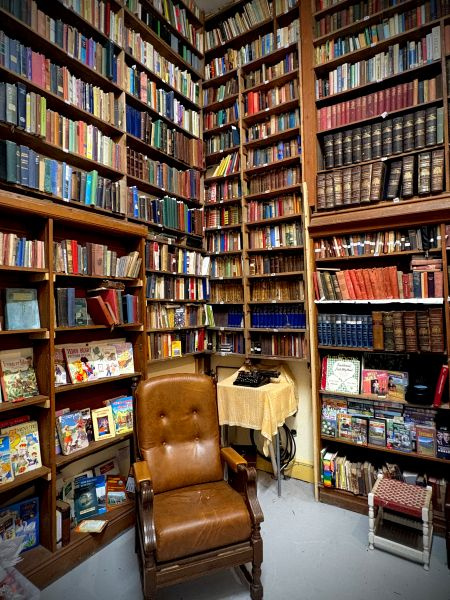
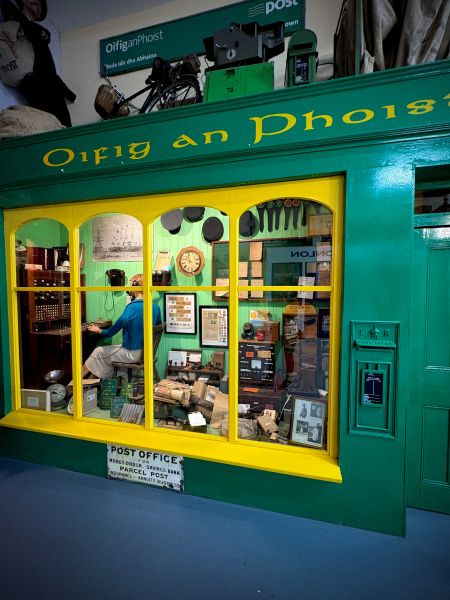
Here you can see what the street of a typical Irish village looked like in the early 20th century with traditional shops, post office and a petrol station featuring an old-fashioned petrol pump that was once in everyday use. Only a handful of these pumps are left in Ireland now. Right beside the petrol station you will find an old telephone kiosk that was in use till the late 1960th. Some of these businesses once operated right here, in Riverstown.
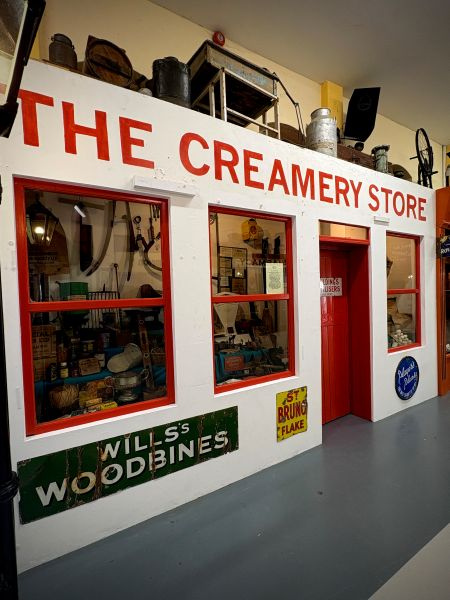
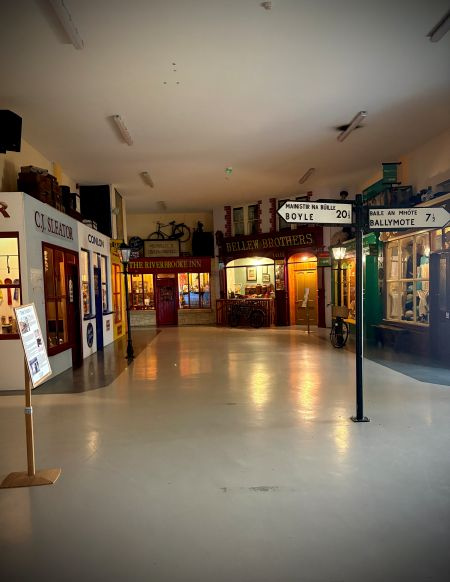
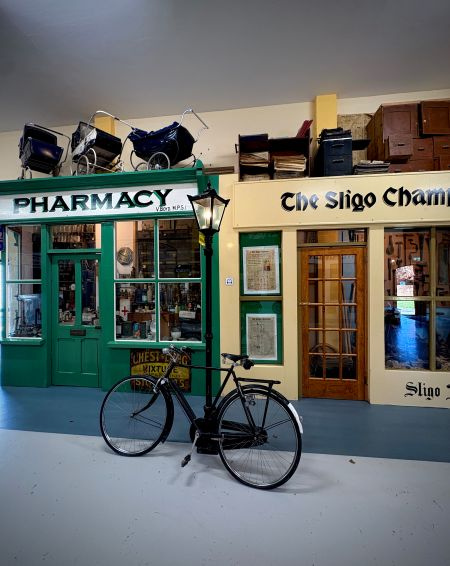
During the self-guided tour you will discover plenty of fascinating facts about Irish history and everyday rural life. For example, did you know that rural electrification in Ireland began in the late 1940s? The National Rural Electrification Scheme was launched in 1946 and took 4 years to complete. As a part of this project Riverstown got electricity in 1949.
It’s not the only interesting fact you can discover during the visit. You might be surprised to learn that up until 1916 Ireland had its own time zone, which was different from British time. While Greenwich Mean Time (GMT) was introduced in Britain in 1880, Ireland continued to follow Dublin Mean Time (DMT) which was 25 minutes and 21 seconds behind GMT. It wasn’t until 1916 that Ireland switched to Greenwich Mean Time.
Another interesting story is about Riverstown’s postmaster, who refused to deliver letters addressed in the Irish language. Want to know why and what the story behind it is? Plan your visit to Sligo Folk Park! The exhibition called “Hands” definitely deserves a closer look. It showcases the tools, traditional skills and processes behind rural life, particularly those associated with farming and food production. The displays cover a wide range of activities, including dairy and milk production, sheep rearing, cereals growing and even tailoring.
You will also find an exhibition dedicated to The Great Famine, as well as a wartime display, featuring a military uniform of Constance Markievicz.
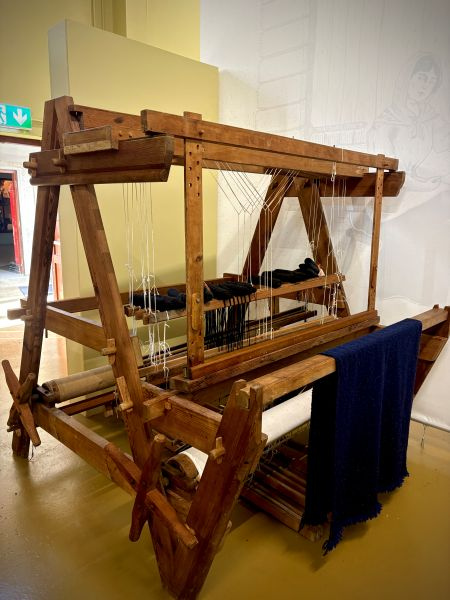
But two exhibits stood out as particularly impressive to me.
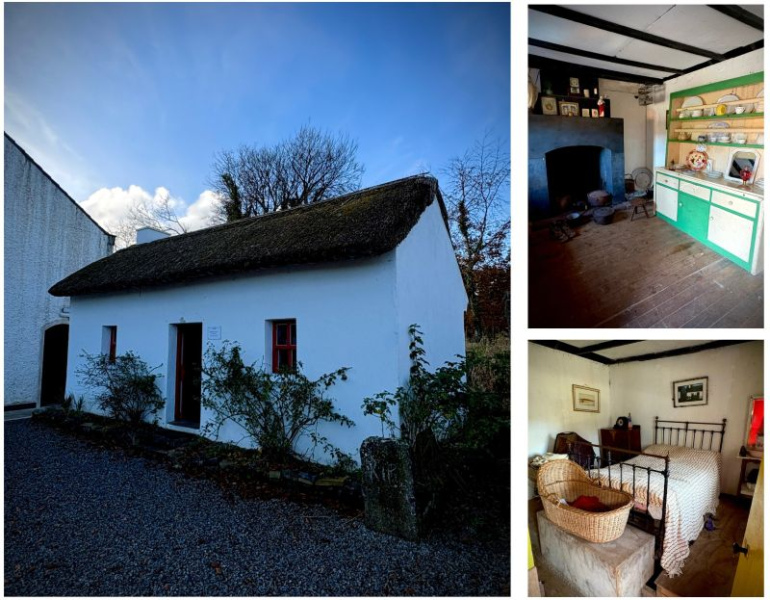
The first is Mrs Buckley’s Cottage that was built in 1994 and travelled to various exhibitions before finally finding its home in the Sligo Folk Park. The cottage offers a glimpse into the life of Irish families in the early 19th century. It’s filled with authentic and unique household items, furniture and personal belongings that tell the story of everyday life better than words ever could.
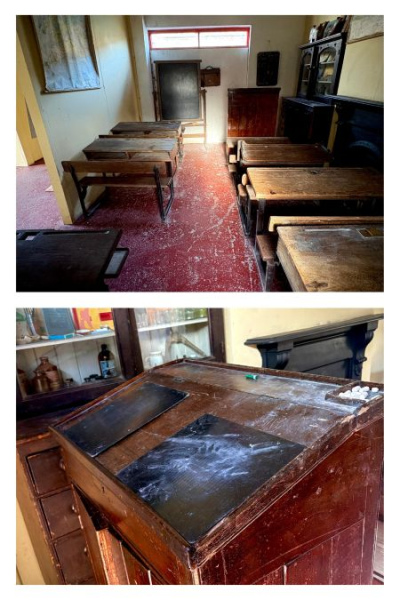
The second exhibit that impressed me was the old school classroom, preserved just as it would have looked when it was in use. I was also surprised to discover that school punishments were legally permitted in Ireland up until 1982.
Impressed? And that is far from everything you’ll find on display at the museum. So, if you are planning a visit to Sligo and would love to discover more of its history and heritage, don’t forget to add Sligo Folk Park to your itinerary.
Sligo Folk Park is open 7 days a week from April to October and Monday to Friday during the winter months. An audio guide is included in the ticket price and can be collected at reception.
Visiting with children? There is a playground and a Fairies Garden to keep the little ones entertained. After exploring the exhibitions you can relax with a cup of coffee in a cozy cafe.
Sligo Folk Park is also known for hosting fantastic seasonal events. They recently treated visitors to a great Halloween experience and are now getting ready to open their own Santatown in December.
Other annual events are the Harvest Festival and the Easter Eggtravaganza. They make a park a great destination for families throughout the year.
For more information and to book your tickets, please, visit the official website: https://sligofolkpark.com/
Written by Kate Dorogina.